You need an agency that moves your metrics, not just your brand. The top digital marketing agency delivers measurable growth across SEO, paid media, content, and analytics while aligning strategies to your business goals. This piece shows how to spot that agency and why those specific services matter to your bottom line.
You’ll learn how to evaluate performance using measurable KPIs, case studies, and ROI-focused processes so you avoid agencies that prioritize buzz over results. Follow the practical guidance here to narrow choices, compare strengths, and pick a partner who actually improves traffic, leads, and revenue.
Key Services in Digital Marketing
In this post top digital marketing, You will see how planning, SEO, and content work together to drive targeted traffic, improve visibility, and convert visitors into customers. Each part demands measurable goals, repeatable processes, and clear ownership.
Strategic Campaign Planning
You begin with a documented brief that ties business objectives to measurable KPIs such as CAC, LTV, and conversion rate. Map target audiences by persona, channel preference, and buyer stage so you know whether to use paid search, social, email, or programmatic display for each segment.
Create a channel mix and calendar that assigns budgets, test windows, and expected outcomes. Run structured A/B tests for creative, landing pages, and bid strategies; prioritize tests that impact conversion and revenue most. Use a dashboard that consolidates cost, revenue, and attribution to iterate weekly and scale winners.
Deliverables you should expect: campaign brief, media plan, creative specs, test roadmap, and a results dashboard with actionable recommendations.
Search Engine Optimization Practices
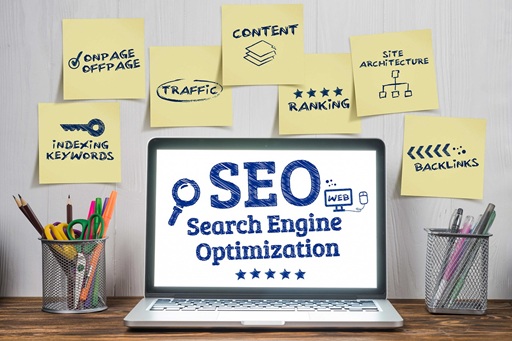
You focus on three core pillars: technical SEO, on-page relevance, and authoritative link signals. Start with a crawl and indexability audit to fix redirect chains, canonical issues, and mobile performance problems that block ranking.
For on-page work, target intent-driven keywords per page, optimize title tags and H2 structure, and add schema where it clarifies content for search engines. Measure progress with organic sessions, keyword ranking clusters, and CTR from SERPs rather than chasing single keyword positions.
Build links through targeted outreach to industry sites, resource pages, and publisher collaborations. Prioritize links that drive referral traffic and relevance over sheer quantity. Maintain a monthly checklist: audit, content updates, internal linking, and outreach progress.
Content Marketing Strategies
You produce content aligned to specific funnel stages: awareness (long-form guides, explainers), consideration (comparisons, case studies), and decision (product pages, pricing guides). Map content to buyer questions and intent using search data, customer interviews, and support logs.
Adopt a content calendar with assigned authors, SEO briefs, and defined success metrics like organic traffic, leads per page, and assisted conversions. Focus on formats that scale: templates, repurposed videos, and data-driven posts that pull from your analytics.
Distribute content through owned channels (email, website), earned channels (PR, partnerships), and paid amplification for high-value pieces. Track performance with a content ROI model that ties content costs to leads and revenue over a defined attribution window.
Evaluating Agency Performance
You should focus on measurable outcomes, predictable processes, and tools that enable transparent decision-making. Prioritize concrete KPIs, clear communication rhythms, and the agency’s use of modern analytics and automation.
Measuring ROI and Success Metrics
You need specific metrics tied to business goals, not vanity numbers. Use revenue-attributed KPIs such as Cost Per Acquisition (CPA), Return on Ad Spend (ROAS), and Customer Lifetime Value (LTV) when running paid channels. For organic work, track qualified lead volume, conversion rate by funnel stage, and organic revenue growth.
Require a clear attribution model (last-click, multi-touch, or algorithmic) and ask for test plans that show causal impact. Insist on baseline metrics, target ranges, and confidence intervals for experiments. Use a short table to clarify expectations:
- Metric: CPA — Goal: $X per customer — Reporting cadence: Weekly
- Metric: Qualified leads — Goal: Y/month — Reporting cadence: Monthly
- Metric: ROAS — Goal: ≥Z — Reporting cadence: Campaign-level
Client Collaboration and Communication
You should expect a defined meeting cadence and documented decision logs. Set weekly tactical calls, monthly strategic reviews, and quarterly performance+roadmap sessions. Each meeting must have an agenda, owner, and action items with deadlines.
Ask the agency for a single workspace (e.g., shared dashboard + project board) so you see campaign status, tasks, and creative assets in real time. Define approval SLAs (e.g., 48 hours for creative feedback) to prevent delays. Measure responsiveness: average reply time, ticket backlog, and percent of completed actions by deadline.
Innovative Tools and Technologies
You should evaluate which platforms and automations the agency uses and why. Confirm they use a robust analytics stack (tag management, server-side tracking, and a BI tool) and can demonstrate clean data pipelines. Look for AI-assisted optimizations for bid management, creative testing, and personalization, but require documented guardrails and human review.
Require access to the tools (viewer or collaborator roles) and a technical onboarding that includes how data flows and where your raw data is stored. Ask for examples of past automation that reduced costs or increased lead velocity, including specific percentage improvements and timeframes.